The Importance of Clean Indoor Air

Maintaining clean indoor air is a fundamental aspect of promoting overall health and well-being. Various studies have highlighted the adverse effects of poor air quality on both physical and mental health. According to research conducted by the Environmental Protection Agency (EPA), indoor air can often be more polluted than outdoor air, resulting in a range of health issues. Common consequences include increased susceptibility to respiratory diseases, the exacerbation of allergies, and diminished cognitive function.
Respiratory diseases, such as asthma and chronic obstructive pulmonary disease (COPD), can significantly affect the quality of life. The inhalation of pollutants, allergens, and particulate matter often found in indoor environments can trigger asthma attacks or worsen symptoms in individuals already experiencing these conditions. A publication from the American Journal of Respiratory and Critical Care Medicine shows a clear link between indoor air quality and the prevalence of respiratory issues. Moreover, allergens such as dust mites, pet dander, and mold thrive in poorly ventilated spaces, further contributing to respiratory ailments and decreasing overall health resilience.
This concern extends beyond physical health. Psychological well-being is also influenced by the quality of the air we breathe. Numerous studies, including those from leading universities, have indicated that exposure to poor indoor air can lead to increased levels of stress, fatigue, and even cognitive decline. For instance, research published in the journal Environmental Health Perspectives suggests that cleaner indoor air is correlated with improved attention spans and memory function, particularly in children. Thus, attention to indoor air quality is not merely about preventing sickness; it is essential for fostering a positive mental environment.
In light of these findings, it is evident that maintaining clean air in indoor spaces is crucial for our well-being. Investing in effective air purifiers, such as the Coway AP-2015F Airmega 400 or the Winix 5520, can significantly contribute to enhancing indoor air quality, ultimately promoting healthier living environments.
Overview of the Coway AP-2015F Airmega 400
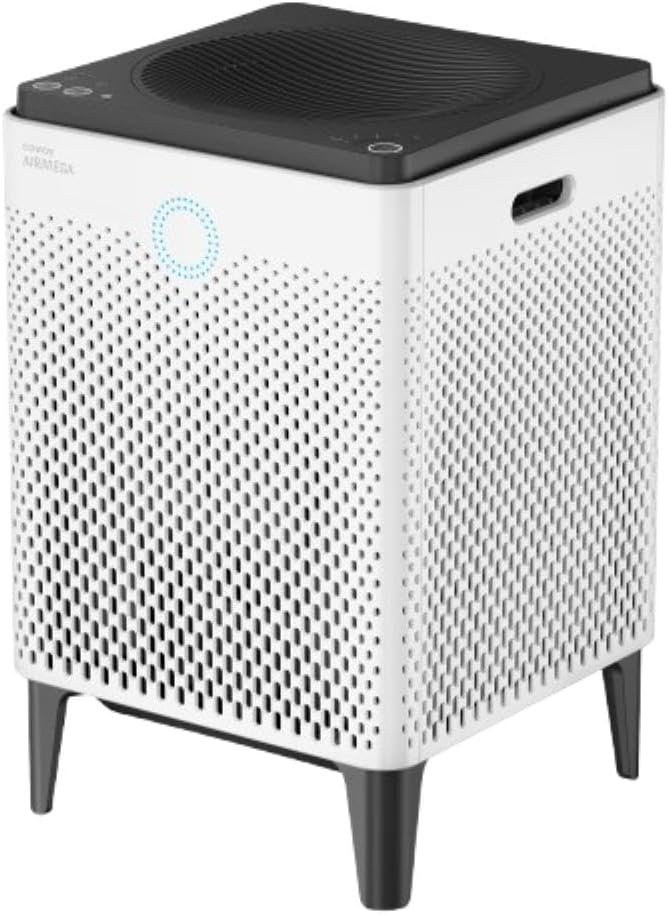
The Coway AP-2015F Airmega 400 is designed to provide comprehensive air purification, suited for large spaces, with a coverage area of up to 1,560 square feet. This air purifier employs a robust filtration system, prominently featuring a true HEPA filter capable of capturing 99.97% of airborne pollutants with a size of 0.3 microns. This includes common irritants such as pet dander, dust mites, smoke, and various allergens. The intricate multi-layer filtration process ensures that users get cleaner air, enhancing the overall indoor air quality.
In terms of smart technology, the Coway Airmega 400 is equipped with advanced features that set it apart from competitors. The real-time air quality monitoring system provides instant feedback on the current air conditions. Additionally, this model is designed with an eco mode that automatically adjusts the fan speed according to the air quality in the environment, thus optimizing energy consumption. This feature not only conserves energy but also lengthens the lifespan of the filters, making maintenance hassle-free.
Comparative analysis reveals that the Coway Airmega 400 excels in performance relative to similar products on the market, such as the Winix 5520. Its superior filter capacity ensures more effective removal of pollutants, making it particularly advantageous for households with pets or individuals with allergies. Furthermore, the stylish design of the Airmega 400 allows it to seamlessly integrate into various home aesthetics while ensuring high functionality. In summary, the Coway AP-2015F Airmega 400 stands out as an exceptional choice for those seeking a reliable air purifier that combines effectiveness with modern technology, promoting a healthier indoor environment.
Introducing the Winix 5520 Air Purifier
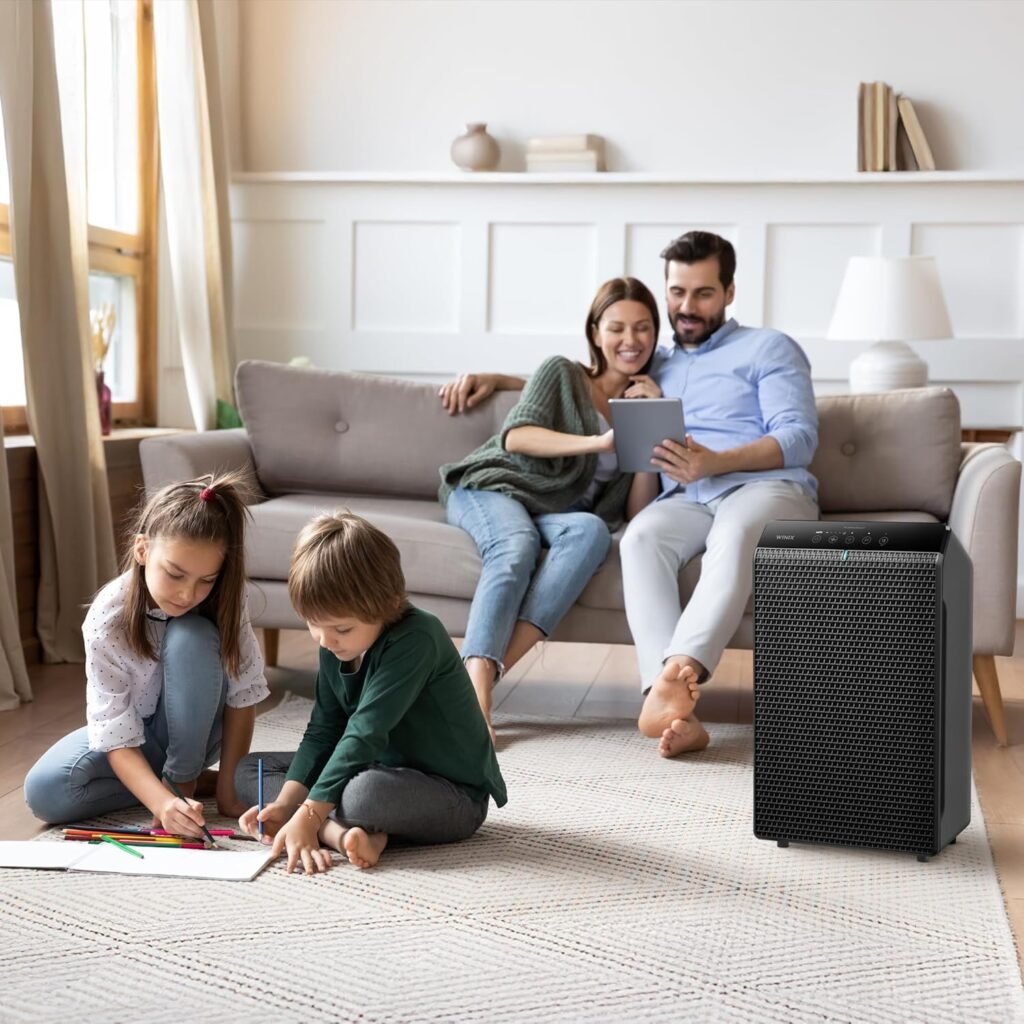
The Winix 5520 Air Purifier is regarded as one of the leading choices for maintaining optimal indoor air quality. Its design, functionality, and advanced features cater to the needs of users seeking a clean and healthy environment in larger spaces. One of the standout features of the Winix 5520 is its high deodorization carbon filter, which significantly reduces odors often caused by pets, cooking, and other household activities. This feature is particularly valuable for individuals sensitive to unpleasant smells, ensuring that the indoor space remains fresh and welcoming.
Another remarkable aspect of the Winix 5520 is its true HEPA filtration system. Unlike standard filters, HEPA filtration captures 99.97% of airborne particles as small as 0.3 microns. This includes dust, pollen, pet dander, and even smoke, making it an excellent option for allergy sufferers. The inclusion of an air quality monitor adds an element of convenience, allowing users to track indoor air quality in real time. This feature provides peace of mind, as the purifier adjusts its performance based on the detected pollutants, ensuring optimal air processing at all times.
The auto mode functionality is another advantage inherent in the Winix 5520. The device intelligently adapts its fan speed according to current air quality levels, providing energy efficiency and maintaining a balanced environment without manual intervention. When compared to the Coway AP-2015F Airmega 400, the Winix 5520 stands out with its unique combination of features aimed at odor elimination and real-time air monitoring. Consumer feedback highlights an overall satisfaction, often mentioning the noticeable improvement in air purity and comfort. Users appreciate its reliability and performance metrics, solidifying the Winix 5520 as a worthy contender in the air purification market.
Choosing the Right Air Purifier for Your Home
Selecting the appropriate air purifier for your home involves assessing various factors to ensure it meets your specific requirements. One of the primary considerations is the size of the room where the air purifier will be placed. Air purifiers are designed for specific square footage ranges, which can significantly impact their efficacy. It is advisable to measure the room dimensions and choose an air purifier that is capable of handling the respective area, thereby ensuring optimal performance.
In addition to room size, it is essential to understand the types of pollutants prevalent in your environment. For example, if your household suffers from allergies, you might prioritize an air purifier equipped with HEPA filters, as they efficiently capture irritating allergens such as pollen, dust mites, and pet dander. Conversely, if odors, smoke, or volatile organic compounds (VOCs) are more concerning, consider a model with activated carbon filters that effectively neutralize these pollutants.
Noise levels are another critical aspect to contemplate, particularly if the air purifier will be used in a bedroom or quiet space. Both the Coway AP-2015F Airmega 400 and the Winix 5520 provide varying decibel levels. Users should review specifications to determine which unit operates most quietly according to their preferences.
Maintenance also plays a vital role in the upkeep of an air purifier. Regular filter replacements and cleanliness monitoring are required for continued effectiveness. The Coway AP-2015F features a filter indicator that signals when maintenance is necessary, while the Winix 5520 also has filter alerts, promoting user-friendly care. To optimize the air purifier’s effectiveness, position it in areas with good airflow and ensure it has space to operate without obstruction, which will enhance purification outcomes and overall indoor air quality.
Some links on this website are affiliate links. This means that if you click on a link and make a purchase, I may earn a small commission at no extra cost to you. I only recommend products I truly believe in. Thank you for supporting my work.